Timberly Font: A Beautiful Script for Building Your Brand
If you're a small business owner or independent creator, you know that every detail matters when it comes to building trust and recognition. One of those often-overlooked details is your choice of font. The right typeface can make your brand feel more personal, premium, and professional—especially in industries like food, fashion, beauty, or any niche where creativity plays a big role. That's where Timberly comes in. This elegant script font offers the perfect blend of charm and clarity, helping you craft a cohesive and memorable brand identity across all your materials.
What Makes Timberly Special?
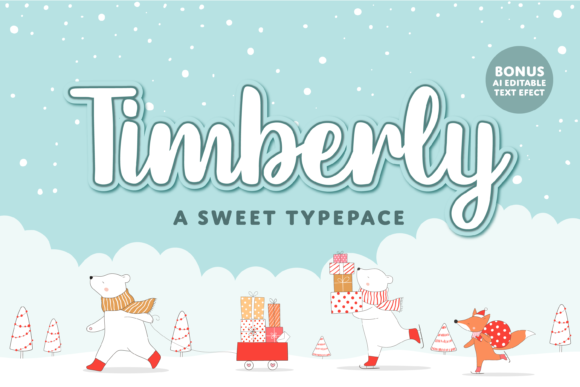
Timberly is a beautifully handcrafted script font with a distinct flowing feel. Its uppercase and lowercase letters are designed to work seamlessly together, making it versatile for both bold headlines and more subtle design elements. What really sets Timberly apart are its ligatures and alternates—these tiny flourishes add character and personality without sacrificing readability. Whether you’re designing a logo, a product label, or social media content, Timberly brings warmth and elegance to your visuals.
Timberly in Real Business Materials
Here’s how you can use Timberly across your branding efforts:
- Logo Design: Use Timberly as a headline or primary font in your logo. Its organic flow works especially well for boutique brands, cafés, and artisanal businesses that want to convey a handmade or personal touch.
- Business Cards: A well-chosen font can elevate a simple business card into a powerful first impression. Timberly adds sophistication while keeping your contact info legible and easy to read.
- Product Labels & Packaging: If you sell handmade candles, skincare products, or baked goods, Timberly can help your packaging stand out. It’s ideal for names, taglines, and short descriptions where style meets substance.
- Menus & Flyers: For restaurants or pop-up shops, using a consistent script font like Timberly ensures your menu feels curated and inviting. It also helps flyers and promotional materials look more intentional and trustworthy.
- Website Banners & Social Media Graphics: Timberly’s modern yet classic appeal makes it great for website headers, Instagram posts, and Pinterest designs. It catches attention without being overwhelming, which is key for digital visibility.
- Thank-You Cards & Stickers: These smaller touches matter more than you might think. Using Timberly on thank-you cards or custom stickers reinforces your brand’s personality and shows customers you care about aesthetics.
Why Choose Timberly for Your Brand?
A premium font like Timberly isn’t just about looking good—it’s about feeling good. When your brand uses a consistent typeface across logos, packaging, and online content, it becomes instantly recognizable. Think about how much time we spend scanning mobile screens or picking up physical items in stores. A font that balances beauty with functionality helps your message stay clear and your brand feel trustworthy.
For example, imagine a boutique coffee shop named "Morning Dew." Using Timberly for their logo and café signage gives them a warm, approachable vibe. Pairing it with a clean sans serif font for body text (like pricing or descriptions) keeps everything legible while maintaining visual harmony. Customers don’t just remember the product—they remember the experience.
Readability in Action
While Timberly has expressive strokes and decorative elements, it’s still highly readable in most contexts. You’ll want to be careful using it in long paragraphs of text, but for headlines, titles, and short copy, it shines. Here are some tips for maximizing its clarity:
- Use it for short phrases rather than large blocks of text.
- Ensure sufficient contrast between the font color and background.
- Avoid using too many alternates in one place—keep it balanced.
- Test it on small labels and thumbnails before finalizing your design.
Practical Font Pairing Ideas
To keep your design assets from becoming too busy, consider pairing Timberly with complementary fonts. Here are a few real-world combinations:
- Timberly + Lato: A decorative script paired with a clean sans serif is perfect for modern branding. Lato handles the body text while Timberly draws the eye to your headlines.
- Timberly + Playfair Display: This combo works well for luxury brands or lifestyle services. Playfair Display adds a refined, classic tone that pairs nicely with Timberly’s soft curves.
- Timberly + Merriweather: For beauty or wellness brands, this pairing offers a warm, elegant look. Merriweather supports longer descriptions and maintains professionalism.
The key is to ensure that your secondary font doesn’t compete with Timberly’s unique style. Keep the focus on your brand message by letting Timberly highlight what’s important.
Testing Before Committing
Before rolling out Timberly across your entire brand identity, test it in different formats and sizes. Try printing it on paper samples to see how it looks in person. Check it on mobile devices to ensure it displays clearly on smaller screens. Even better, create mockups of your logo, packaging, and web banners using free tools like Canva or Adobe Express. Seeing how it works in practice will help you decide if it aligns with your brand voice and values.
Commercial Use and Licensing
One of the biggest considerations for entrepreneurs is licensing. Always verify whether Timberly is available for commercial use before applying it to products, packaging, templates, or client projects. Some script fonts have strict restrictions, so knowing your rights as a business owner is essential. Once you’ve confirmed the license allows for your intended use, you can confidently integrate it into your brand materials and digital downloads.
Branding with Personality
Timberly isn’t just another pretty script—it’s a tool for storytelling. When used thoughtfully, it can reflect your brand’s values and mission. For instance, a coaching business using Timberly in their email signature or website header can communicate authenticity and creativity. Similarly, an online shop selling vintage-style home décor might pair Timberly with a retro layout to enhance the nostalgic feel.
Real-World Examples
Let’s break down a few scenarios where Timberly could be a game-changer:
- Bakery Branding: A local bakery called "Hearth & Flour" uses Timberly in their logo and packaging. The flowing script evokes the feeling of freshly baked bread and handwritten recipes, creating a cozy, homemade vibe.
- Handmade Candle Label: A candle maker named "Lume & Soul" uses Timberly to label their jars and boxes. The soft, artistic style matches the calming nature of their scents and helps the product feel exclusive.
- Beauty Product Packaging: A skincare line named "Velvet Bloom" features Timberly in their bottle tags and marketing collateral. The font complements their natural ingredients and artisanal production process.
- Café Menu Design: At "Sunrise Brew," Timberly is used for drink names and special offers. It adds a touch of elegance to their otherwise minimalist aesthetic, drawing customers in with visual appeal.
- Boutique Logo: A women’s clothing store called "Daisy & Co." uses Timberly in their storefront sign and website header. The friendly yet stylish script reflects their target audience’s taste and values.
Consistency Across Touchpoints
Using the same font family across all your customer-facing materials builds familiarity. When your logo, packaging, website, and social media graphics share the same typographic language, your brand feels unified. This consistency helps customers recognize your business quickly and remember it more easily. Whether they see your name on a flyer, a sticker, or a digital ad, the same font reinforces your identity each time.
Timberly as a Headline or Accent Font
Because of its expressive nature, Timberly is best suited as a display font or accent typeface. It should be reserved for headlines, titles, and other prominent text elements rather than body copy. Used sparingly, it can add a focal point to your design without overwhelming the viewer. For example, using it for your website banner or Instagram post title creates instant visual interest, while a simpler font handles the supporting information.
But don’t underestimate its power as a supporting typeface either. In the right context, Timberly can serve as a secondary font to highlight quotes, testimonials, or call-to-action buttons. Just make sure it doesn’t clash with your primary font or confuse your audience.
Building Trust Through Typography
People judge businesses in seconds—often based on visual cues like fonts. A well-designed typeface signals attention to detail and professionalism. When you choose a font like Timberly, you’re not just choosing a pretty letterform; you’re choosing a visual language that communicates who you are and what you stand for. And for small businesses competing in crowded markets, that can be the difference between standing out and blending in.
Final Thoughts
Fonts may seem like a small part of branding, but they play a big role in shaping perception. With its handcrafted charm and practical readability, Timberly is a standout option for entrepreneurs who want to express creativity without compromising professionalism. From packaging to web design, this script amp font can help your brand feel more connected, consistent, and credible. So next time you're updating your logo or designing a new flyer, consider how Timberly might bring your brand vision to life.