Monday Blues: A Handwritten Font That Brings Your Creations to Life
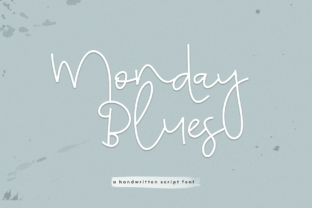
There’s something magical about the right font. It doesn’t just convey words—it tells a story, sets a tone, and gives your handmade products or digital creations that extra touch of personality. I recently discovered Monday Blues, a charming handwritten typeface from Script Amp, and it has quickly become one of my go-to fonts for everything from candle labels to printable wall art. With its soft curves, natural flow, and warm character, Monday Blues feels like writing with a friend’s hand—personal, inviting, and full of heart.
From Design Desk to Shelf: How Monday Blues Enhances Real Products
Last week, I was prepping a new batch of soy candles for my seasonal collection. I had already designed the jars and printed out mockups of the labels, but the text always felt a bit too formal. The product name needed more soul. That’s when I reached for Monday Blues. Its gentle rhythm and subtle imperfections gave the label a cozy, artisanal feel that matched the scent of lavender and beeswax perfectly.
I layered the font over a textured background, adding a hint of watercolor wash to mimic the look of a hand-painted sign. The result? A label that looked like it had been crafted by someone who genuinely cares about what they make. Customers don’t just see a candle—they feel an emotion, a sense of calm and authenticity. That’s the power of typography when it's done with intention.
A Versatile Typeface for Many Creative Uses
What makes Monday Blues so special is how well it adapts across different mediums and purposes. Here are a few ways I’ve started using it in my shop:
- Greeting Cards: For birthday cards, thank-you notes, and sympathy designs, this font adds a personal touch that mass-produced options can’t match.
- Wedding Invitations: I paired it with a clean sans serif on the details section to maintain elegance while keeping the main message beautifully expressive.
- Planner Pages: When designing weekly layouts or habit trackers, the script adds warmth without overwhelming the content.
- Printable Wall Art: Its artistic nature works especially well in large display sizes where decorative text takes center stage.
- Boutique Tags: Whether attached to a jar of homemade jam or a small gift box, these tags instantly elevate the presentation.
Each time I use it, the font brings a sense of intimacy to my work. It feels less like a design and more like a conversation between me and the customer.
Making It Work: Readability Tips for Hands-On Use
While Monday Blues is undeniably beautiful, it’s important to consider how it reads in real-world applications. For instance, when testing sticker sheets for my DIY mug wraps, I found that smaller sizes could lose some clarity if not outlined properly. My solution was to use bold weights and slightly thicker strokes when printing on dark backgrounds or at tiny sizes.
For cutting machines like Cricut or Silhouette, I recommend previewing the font in your software before sending it to the mat. Some characters may have intricate flourishes that require careful handling. But once you get the hang of it, the font becomes a joy to cut and apply, especially for signs, packaging accents, and fabric transfers.
Font Pairing Ideas for Maximum Impact
One of the joys of working with a creative font like Monday Blues is finding the perfect pairing. In my experience, it works especially well with:
- A simple serif font for wedding invitations or editorial-style designs.
- A minimalist sans serif for modern greeting cards or product tags.
- Another script or handwritten font for layered, organic looks in signage or wall art.
When creating a seasonal banner for my fall collection, I used Monday Blues as the headline and paired it with a light-weight sans serif for the supporting text. This kept the design visually balanced while allowing the main message to shine.
Designing with Emotion: The Mood of Monday Blues
Fonts shape perception, and Monday Blues is no exception. It evokes a relaxed, conversational mood that fits perfectly with handmade and lifestyle brands. Think of it as the kind of handwriting you’d find in a vintage journal or a lovingly penned note. It’s not overly ornate, but it carries enough character to stand out in a sea of generic designs.
When I used it on a set of holiday tags, the feedback I received from fellow crafters was overwhelmingly positive. “It feels like the holidays were written by hand,” one said. That’s exactly the emotional appeal we want as makers—to connect with people through our designs in a way that feels genuine and heartfelt.
Using Monday Blues in Digital Downloads
As a creator of digital printables, I know the importance of a font that looks great both online and in print. Monday Blues delivers in both realms. When previewing templates for customers, I often include a small sample of the font in the image. It helps them visualize how it will appear on their chosen paper or material.
I also make sure to test the font across various file formats, such as PDFs and JPEGs, to ensure consistency. Since it comes with multiple styles and ligatures, I can offer variations within the same template without needing to switch typefaces. This flexibility is invaluable when crafting cohesive brand assets or seasonal collections.
Monday Blues in Action: A Few Favorite Projects
Here are a few specific projects where Monday Blues made all the difference:
- Farmhouse Signs: I created a rustic wooden sign for a client’s boutique using Monday Blues for the title. The soft, flowing script complemented the natural wood grain and added a welcoming vibe.
- Wall Art Mockups: When designing a series of inspirational quotes for digital sale, the font helped give each piece a unique personality, making the collection feel curated rather than mass-produced.
- Merchandise Labels: On tote bags and mugs, I used short phrases like “Live Simply” or “Good Vibes Only.” The font fit perfectly in small spaces and still held visual impact.
- Shop Branding: I incorporated it into my email signature and social media headers for a consistent, recognizable style. It’s subtle enough to blend in but distinct enough to stand out.
In every case, the font brought a level of creativity and charm that made the final product feel more intentional and premium.
Commercial Use and Licensing Clarity
Before using any font in commercial products, I always double-check the licensing terms. Monday Blues is available under a commercial license, which means I can confidently use it in physical items, digital downloads, SVG files, and even web-based listings. This is a big relief when selling on platforms like Etsy or creating digital templates for resale.
Additionally, the font includes several alternates and swashes, giving me more creative freedom without sacrificing legibility. I also appreciate the multilingual support, which allows me to expand my offerings to a wider audience if needed.
Crafting with Confidence: Why Typography Matters
Typography might seem like a small detail, but it plays a huge role in how your brand is perceived. Using a premium font like Monday Blues can subtly influence how customers view your products’ quality and attention to detail. It helps create a cohesive brand identity that spans from your website to your packaging to your social media graphics.
When I’m designing product mockups or listing images, choosing the right font is part of the storytelling process. Monday Blues isn’t just a font—it’s a feeling. It communicates warmth, creativity, and a love for the craft, which is exactly what handmade sellers want to express.
Even when used sparingly, like for a single line of text on a packaging tag or a call-out phrase on a planner page, it leaves a lasting impression. That’s the beauty of a display font: it doesn’t need to be everywhere to make a difference.
Small Touches, Big Impacts
There’s nothing quite like seeing your designs come to life. Recently, I printed a set of boutique tags using Monday Blues and attached them to a batch of hand-stitched journals. The font didn’t just sit there—it danced along the edges of each tag, wrapping around the corners and curling gently in the margins. It wasn’t just a label; it was part of the product itself.
These little touches matter. They show customers that you care about every detail, from the stitching to the ink to the way your name appears on the final item. And in a market full of quick, cookie-cutter designs, that attention to detail is what sets you apart.
Embracing Monday Blues in Seasonal Designs
Seasonal products are a fantastic opportunity to play with typography. For spring, I used Monday Blues in floral arrangements on greeting cards and packaging. For summer, I paired it with bright colors and playful shapes for beach-themed stickers and tote bags. And for autumn, the font lent itself beautifully to harvest-inspired prints and coffee cup wraps.
Because it’s a script amp font, it adds movement and energy to static designs. Even in black and white, the texture and rhythm of the letters catch the eye and invite closer inspection. That’s a win for any product that needs to stand out in a crowded marketplace.
When I’m preparing mockups for upcoming seasons, I often start with the font. Once I choose Monday Blues, the rest of the design tends to follow naturally. It’s like the font sets the tone, and I simply build around it.
Final Notes for Makers and Sellers
If you’re looking for a font that feels like it belongs in your hands, not a keyboard, Monday Blues is worth considering. It’s ideal for short phrases, names, and titles, and it handles decorative wording and display text exceptionally well. Just be mindful of its readability in small sizes and pair it thoughtfully with other typefaces to keep your designs balanced and professional.
Whether you’re a seasoned seller or just starting out, having the right typeface can help your brand grow in subtle but powerful ways. It supports your creative vision and enhances your product presentation, helping you build trust and connection with your audience.
So next time you're designing a label, invitation, or printable, take a moment to reach for Monday Blues. You might just find that it turns your latest idea into a true work of art.