Bunny Nose: A Playful Script Font for Creative Projects
When evaluating a new font like Bunny Nose, I always start with the first impression. It's the emotional hook that can either win or lose a designer’s attention before any technical details are considered. From the moment I laid eyes on Bunny Nose, its whimsical charm and soft, flowing curves stood out. This is not your average script font—it has a distinct personality that leans into warmth, approachability, and just the right amount of eccentricity.
The Mood and Visual Personality of Bunny Nose
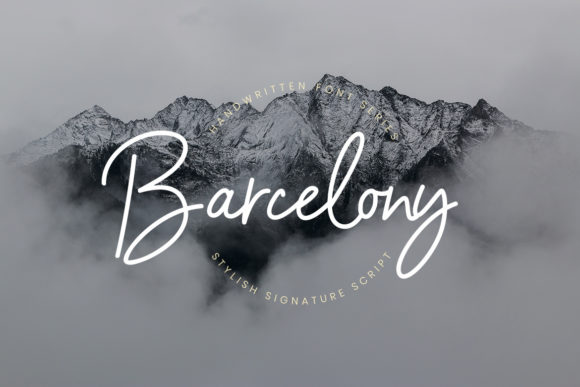
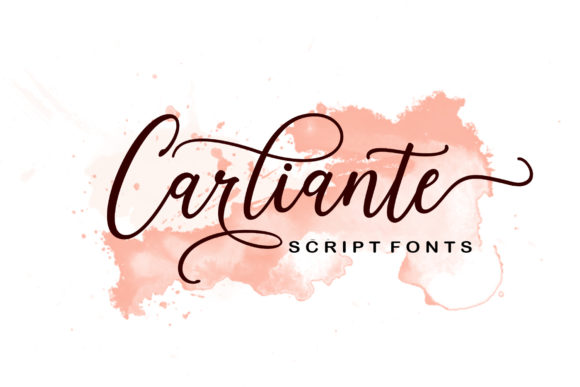
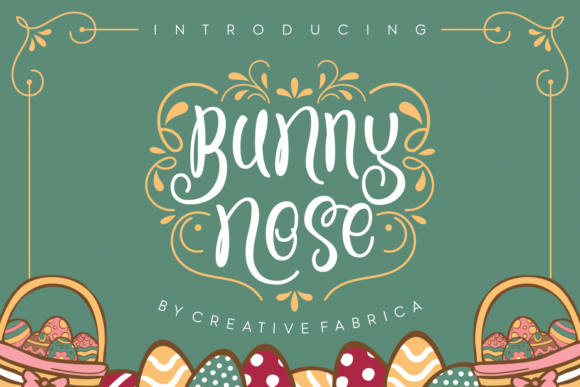
Bunny Nose feels hand-drawn but polished, making it perfect for projects that want to communicate playfulness without sacrificing professionalism. The letters have a natural rhythm, with each stroke suggesting movement and joy. There's an underlying sense of fun, which makes it ideal for brands targeting children, families, or creative niches like stationery, greeting cards, and lifestyle products.
What I appreciate most about this typeface is how it balances character with clarity. Unlike many script fonts that become illegible at smaller sizes, Bunny Nose maintains enough structure to remain readable in a variety of applications. Its visual personality is neither too bold nor too timid—it’s just right for creating memorable, inviting designs.
Where Bunny Nose Fits Naturally
- Logo Design: Bunny Nose works beautifully in logos for boutique businesses, craft shops, and playful startups. Its unique flair helps establish a strong brand identity while remaining versatile enough to adapt to different industries.
- Brand Identity: If you're building a brand around creativity, community, or comfort, this font adds a personal touch. It’s especially useful for small business owners who want their branding to feel more human and less corporate.
- Packaging Design: In packaging design, Bunny Nose brings a sense of delight. Whether used on product labels, gift boxes, or retail displays, it adds a tactile, almost nostalgic quality that appeals to customers looking for authenticity.
- Posters and Invitations: For events like baby showers, birthdays, or art exhibitions, Bunny Nose adds a charming aesthetic. It feels celebratory yet elegant, striking a balance between casual and curated.
- Merchandise and Printables: T-shirts, mugs, and printable templates benefit from the font’s lively nature. It also integrates well into Canva templates and Cricut projects, where designers often look for a mix of creativity and usability.
- Web and Social Media Graphics: As a display font, Bunny Nose shines in headers and call-to-action sections. It’s particularly effective for blog graphics, social media posts, and digital ads that aim to stand out with a friendly tone.
- Editorial Design: While not recommended for long-form body text, Bunny Nose can be used as a title or pull quote in magazines, zines, or newsletters to inject energy into the layout.
Real-Life Performance
In practice, Bunny Nose proves itself to be a reliable companion across multiple platforms. When designing a logo for a local bakery using this font, I found that it helped create a warm, homey feel. Clients loved the idea of something that felt "handmade" but still professional. It paired surprisingly well with a clean sans serif font in supporting text, allowing the script to take center stage while maintaining legibility and hierarchy.
I also tested it in a packaging mockup for a line of organic snacks. At first glance, it added a quirky edge that matched the brand’s playful ethos. However, when placed on small labels, some characters needed careful adjustment due to spacing issues. This is a common challenge with script fonts, but one that can be managed with thoughtful design choices.
Using Bunny Nose Carefully
While Bunny Nose is versatile, it’s not a universal solution. Here are some scenarios where caution is key:
- Large Headlines: Due to its delicate strokes, the font may appear too light in large formats unless contrasted with bolder elements.
- Short Phrases: Works best in short phrases—longer ones risk losing impact or appearing cluttered.
- Premium Packaging: On high-end products, it might come off as too informal. Consider using it sparingly or in combination with a more refined serif font.
- Supporting Text: Avoid using it for body copy or captions. It’s designed for display use and doesn’t perform well in dense text blocks.
- Commercial Use: Always confirm commercial licensing if you plan to use it in client work, especially in printables, editorial assets, or digital products intended for resale.
Readability and Brand Impact
Readability is a critical factor when choosing a font, and Bunny Nose handles this with grace. The letterforms are stylized but not overly decorative, so they remain legible even when condensed. That said, readability drops slightly when using it in all lowercase or in tight spaces, so uppercase usage or pairing with simpler fonts is often necessary.
From a brand consistency standpoint, Bunny Nose offers a cohesive set of glyphs that support both uppercase and lowercase variations. It also includes ligatures and alternate characters, which enhance visual interest and make the font feel more alive. These features help maintain a consistent tone across various brand materials, from website headers to social media graphics.
Engagement-wise, Bunny Nose has a subtle magic. It invites users to slow down and read the message carefully. This can be incredibly valuable in marketing visuals or invitations where the goal is to create a connection. It doesn't scream for attention; instead, it draws people in with its gentle, curious vibe.
Design Notes for Practical Application
Here are some practical tips I’ve gathered while working with Bunny Nose in real projects:
- Test in Black and White: Script Amp’s creative font has a lot of visual texture that disappears in grayscale. Make sure it still looks good in monochrome versions of your design.
- Check Small-Size Readability: Especially important for packaging or digital ads where screen size matters. Some letters may need to be adjusted or spaced manually.
- Use Real Mockups: Try printing samples or using them in photo-realistic mockups. How it looks on screen can differ dramatically in the physical world.
- Font Pairing: Pair it with a modern sans serif or a classic serif to add contrast and depth. I recommend testing it beside other script fonts or handwritten fonts to see how it holds up in comparison.
- Spacing Review: Some characters, especially those with loops and tails, may require manual kerning adjustments for tighter layouts.
- Confirm Commercial Licensing: Before using it in client work or selling design assets, ensure the license covers commercial use. This is essential for marketers, bloggers, and digital sellers.
A Designer’s Perspective
As someone who regularly selects typefaces for branding and editorial projects, I value fonts that offer both style and substance. Bunny Nose is one of those rare finds—its visual appeal doesn’t overshadow functionality. It’s expressive enough to convey mood but grounded enough to stay usable.
I've seen it elevate the look of digital products and give brand identities a much-needed injection of personality. One project that stands out was a kids’ book cover where the title was set in Bunny Nose. The result was both eye-catching and child-friendly, with just the right amount of whimsy to engage young readers.
That being said, it’s not for every project. If you're aiming for a minimalist or luxury aesthetic, you’ll probably want a more restrained typeface. But if your design needs a touch of warmth, charm, or character, Bunny Nose could be exactly what you're looking for.
Final Thoughts
After putting Bunny Nose through the paces in a range of design scenarios—from logos and posters to social media content and packaging—I’m confident it belongs in your toolkit if you're working on a project with a softer, more creative edge. It’s a premium font in terms of quality and expressiveness, though it does require a bit of finesse to get the most out of it.
If you're a designer, marketer, or small business owner looking for a font that adds character without compromising clarity, give Bunny Nose a try. Just remember to test it thoroughly, pair it wisely, and use it where it will do the most good. With the right application, it can transform a simple design into something truly engaging.